Broadcast Access and Strategic Timing in Cross-Sport Accumulators
Written by Jakob Lang · Nov 22, 2026
Broadcast Access and Strategic Timing in Cross-Sport Accumulators
Real-Time Visibility Across Multiple Events
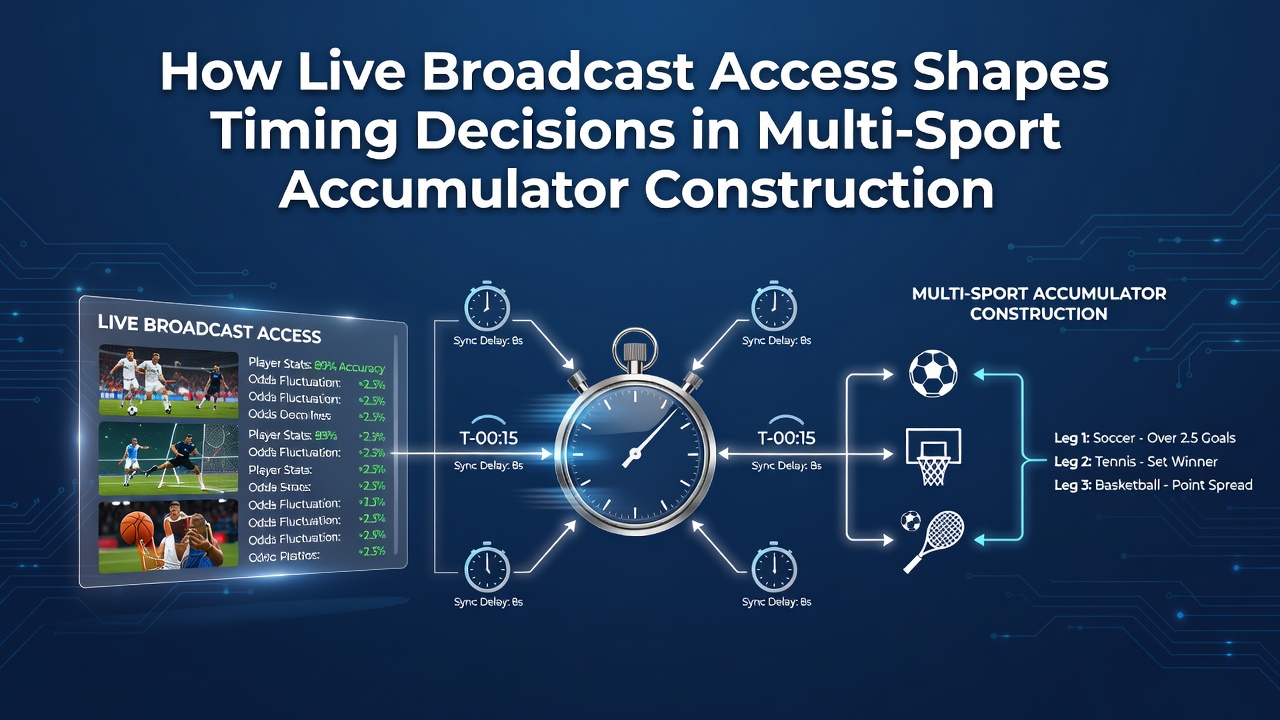
Data from multiple jurisdictions shows that live broadcast access directly affects when bettors finalize legs in multi-sport accumulators, since visual feeds and statistics overlays supply immediate updates on player performance, track conditions, and match momentum that pre-match data alone cannot provide. Observers note patterns where access to simultaneous streams in November 2026, during overlapping NBA, Premier League, and ATP schedules, allows construction decisions to shift within minutes rather than hours. Researchers tracking betting volumes report that platforms offering integrated live views record higher rates of mid-event leg additions, particularly when basketball quarters or tennis sets reveal unexpected shifts in pace or serve hold percentages.
Sport-Specific Timing Adjustments
Football matches broadcast with detailed possession and set-piece metrics enable accumulator builders to monitor clean-sheet probabilities live, while horse racing coverage supplies split times and going reports that influence whether a late leg enters the slip. Tennis streams highlight serve percentages and break-point conversions that adjust over/under calculations in real time, and basketball feeds display pace ratings plus rebound differentials that inform player-prop inclusions. Studies compiled by the Nevada Gaming Control Board indicate that bettors with multi-channel access complete accumulator entries an average of 12 minutes later than those limited to static odds pages, because live data prompts reevaluation of earlier selections. Similar findings appear in reports from the Australian Communications and Media Authority, where cross-sport bettors using synchronized broadcasts demonstrate more frequent timing revisions during evening fixture clusters.
What's interesting is how overlapping schedules in November 2026 amplify these effects. When an NBA night game runs parallel to evening flat racing and a late tennis tiebreak, viewers can sequence additions based on unfolding developments rather than pre-set windows. One documented case involved a bettor who added a basketball over-total only after observing third-quarter pace spikes on a live feed, while holding a tennis set-total leg until a serve-percentage trend stabilized.
Regulatory and Platform Influences
Industry data compiled by the European Gaming and Betting Association reveals that platforms with robust live-stream partnerships see elevated engagement in accumulator products, because users receive both visual context and updated odds in one interface. This integration reduces latency between observation and placement, which in turn shapes when each leg locks in. Those who studied platform analytics note that markets with stricter broadcast licensing, such as certain Canadian provinces, show slower timing adjustments since fewer simultaneous feeds reach users. Yet where access expands, the window for strategic refinement narrows, pushing decisions toward the final minutes before an event segment concludes.
Patterns in November 2026 Scheduling
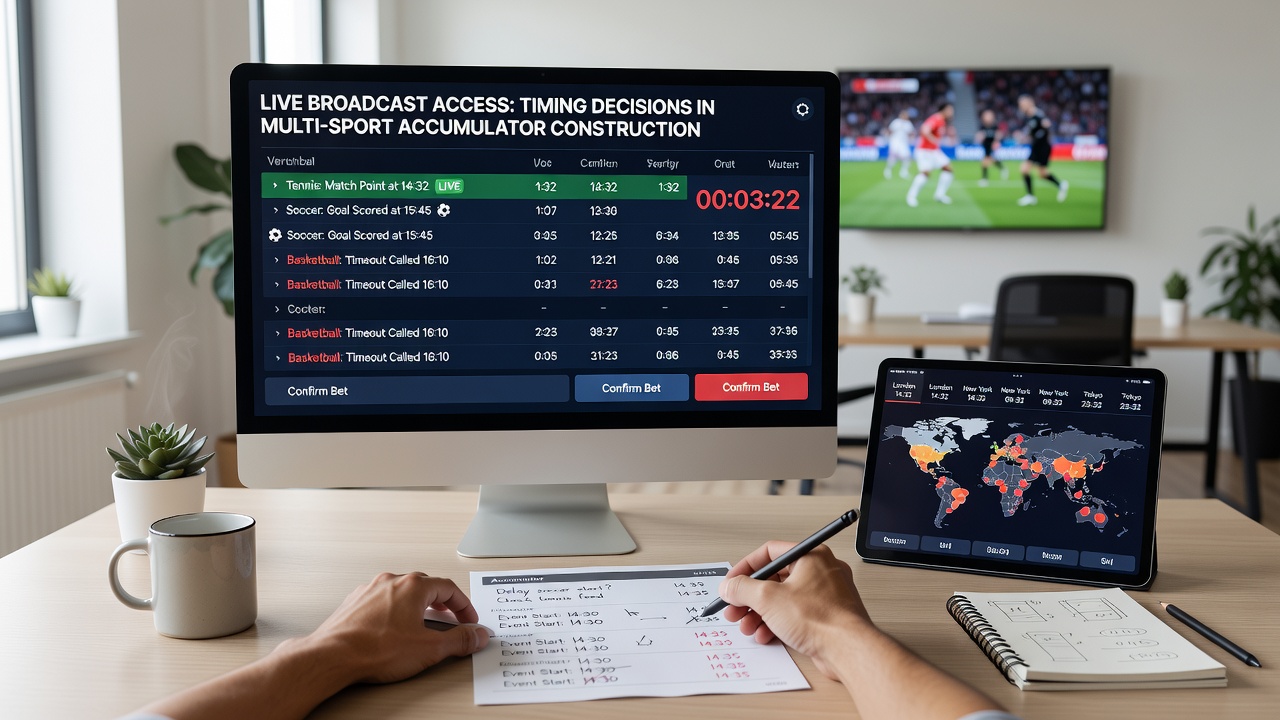
November 2026 fixtures create dense overlap periods, with midweek football, international tennis tournaments, and NBA back-to-backs coinciding with evening racing cards. Live access during these windows lets builders observe fatigue indicators, such as declining sprint speeds in racing or declining second-serve points in tennis, and adjust accumulator structures accordingly. Figures from regulatory filings show increased in-play leg modifications when multiple sports stream concurrently, because viewers can confirm or discard selections based on visible trends rather than delayed score updates alone.
Turns out the effect compounds when broadcasters add detailed graphics for pace, distance covered, and rally lengths. Bettors who track these metrics across screens report tighter clustering of placement times around key moments like half-time intervals or set changes. Academic analyses from university sports-management programs have documented that such timing compression occurs most often among users with premium broadcast packages, while free-to-air viewers rely more on aggregated text feeds and finalize entries earlier in the cycle.
Conclusion
Live broadcast access continues to reshape when multi-sport accumulator legs are selected and confirmed, as real-time visual and statistical information supplies context unavailable from pre-event data. Regulatory records and platform metrics demonstrate consistent differences in placement timing between users with and without simultaneous streams, especially during high-density November schedules. As broadcasting rights and platform integrations evolve, these timing dynamics remain tied to the availability and quality of live coverage across football, horse racing, tennis, and basketball.